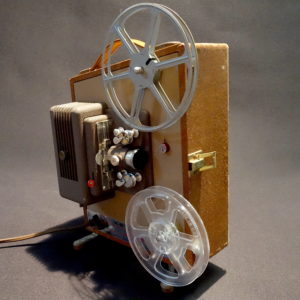
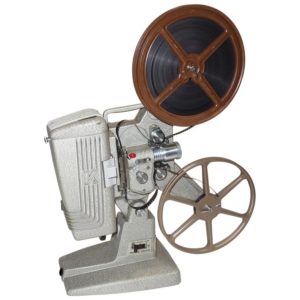
Rare Vintage, Circa 1916, “New Premier Pathescope 28mm Cinema Projector”
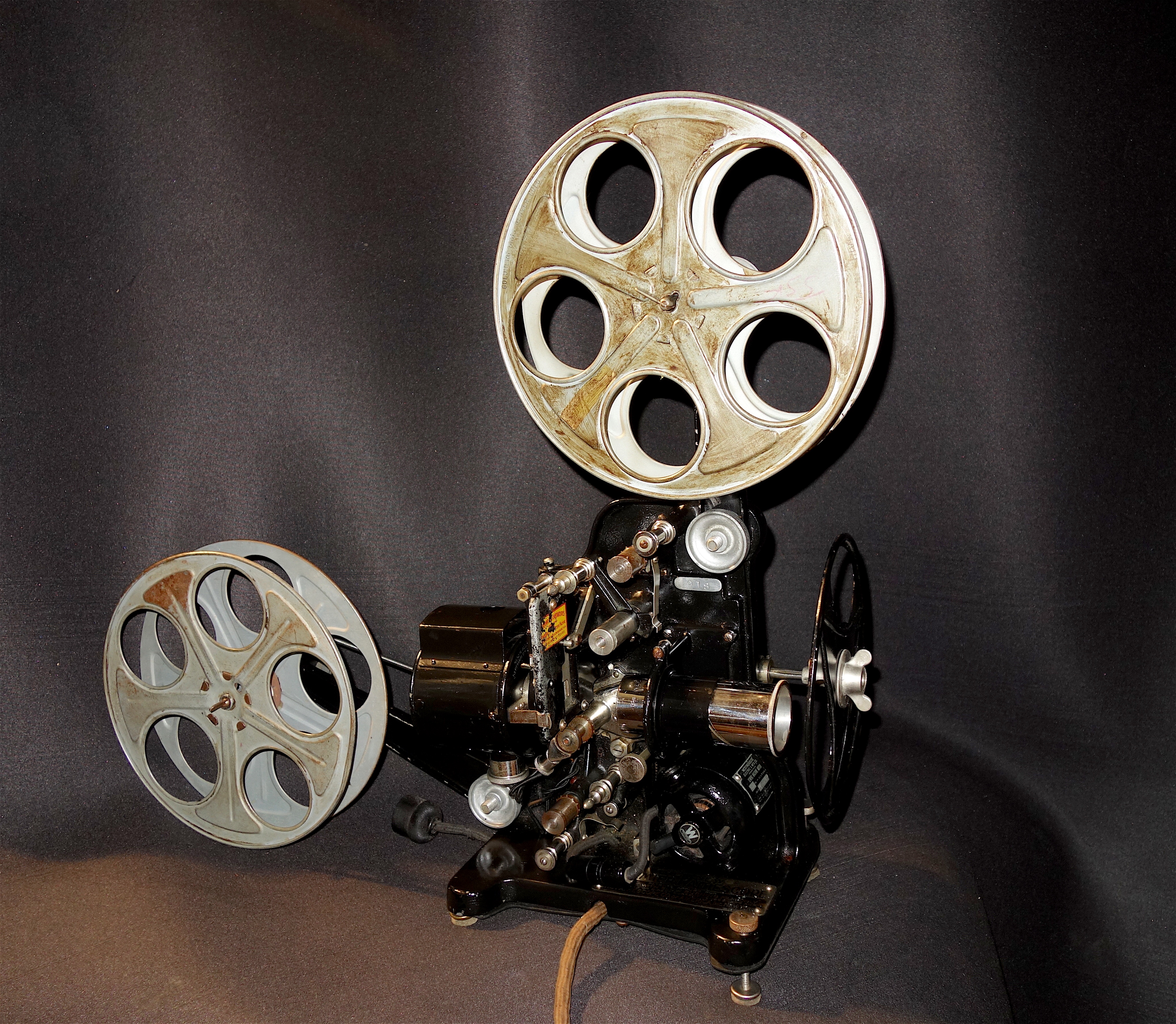
Rare Vintage, Circa 1916, “New Premier Pathescope 28mm Cinema Projector”
Inquire for pricing
Rare Vintage, Circa 1916, “New Premier Pathescope 28mm Cinema Projector”
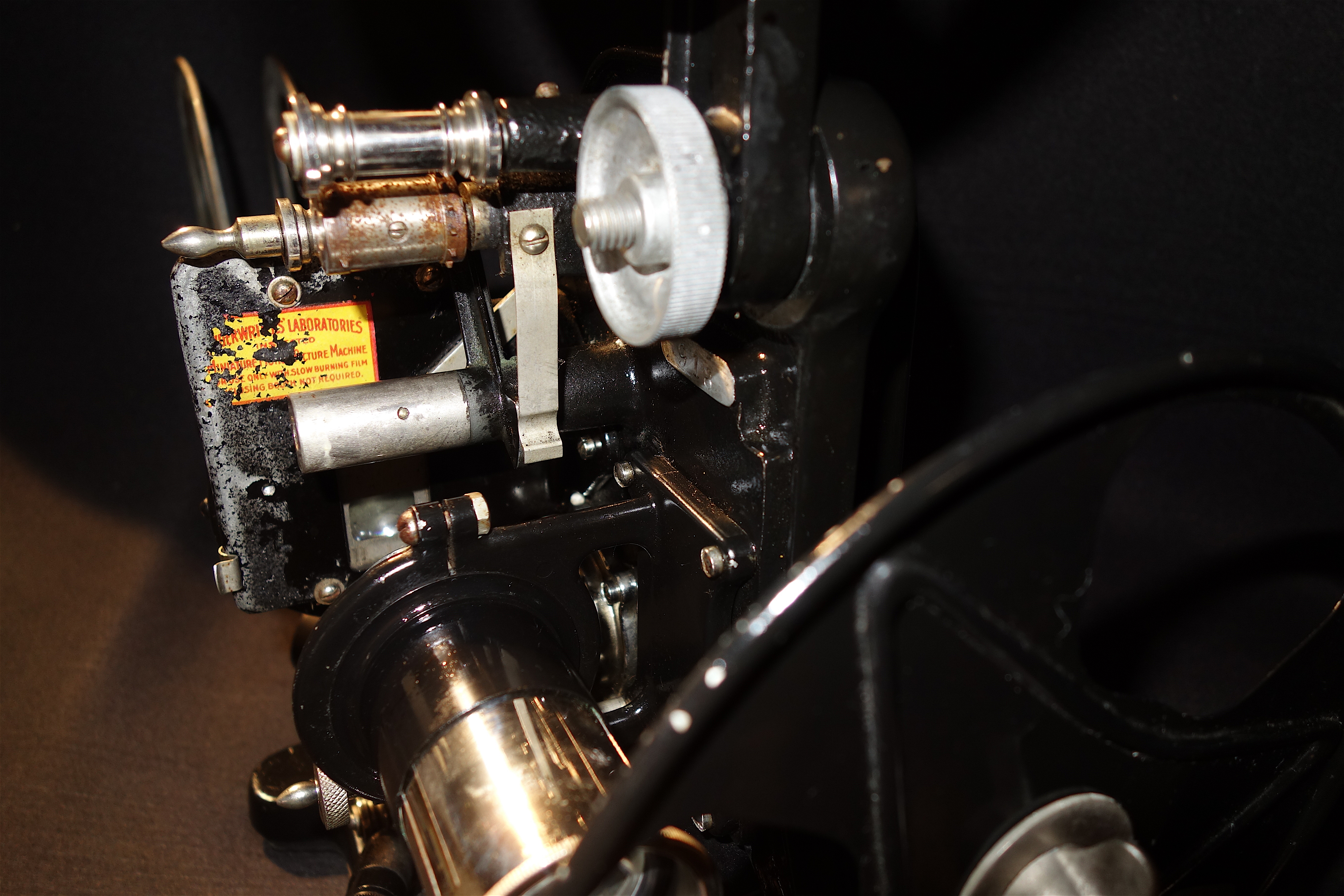
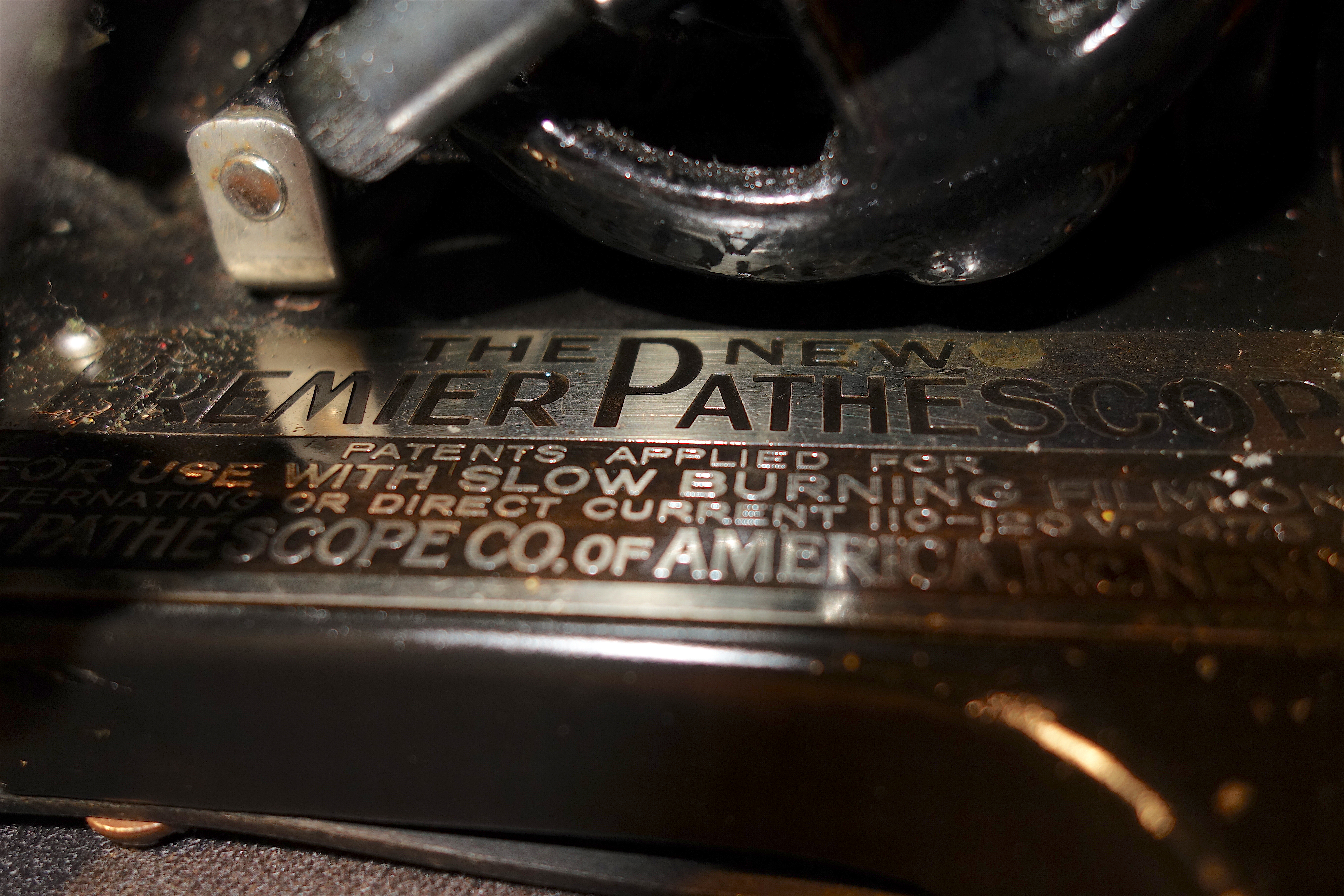
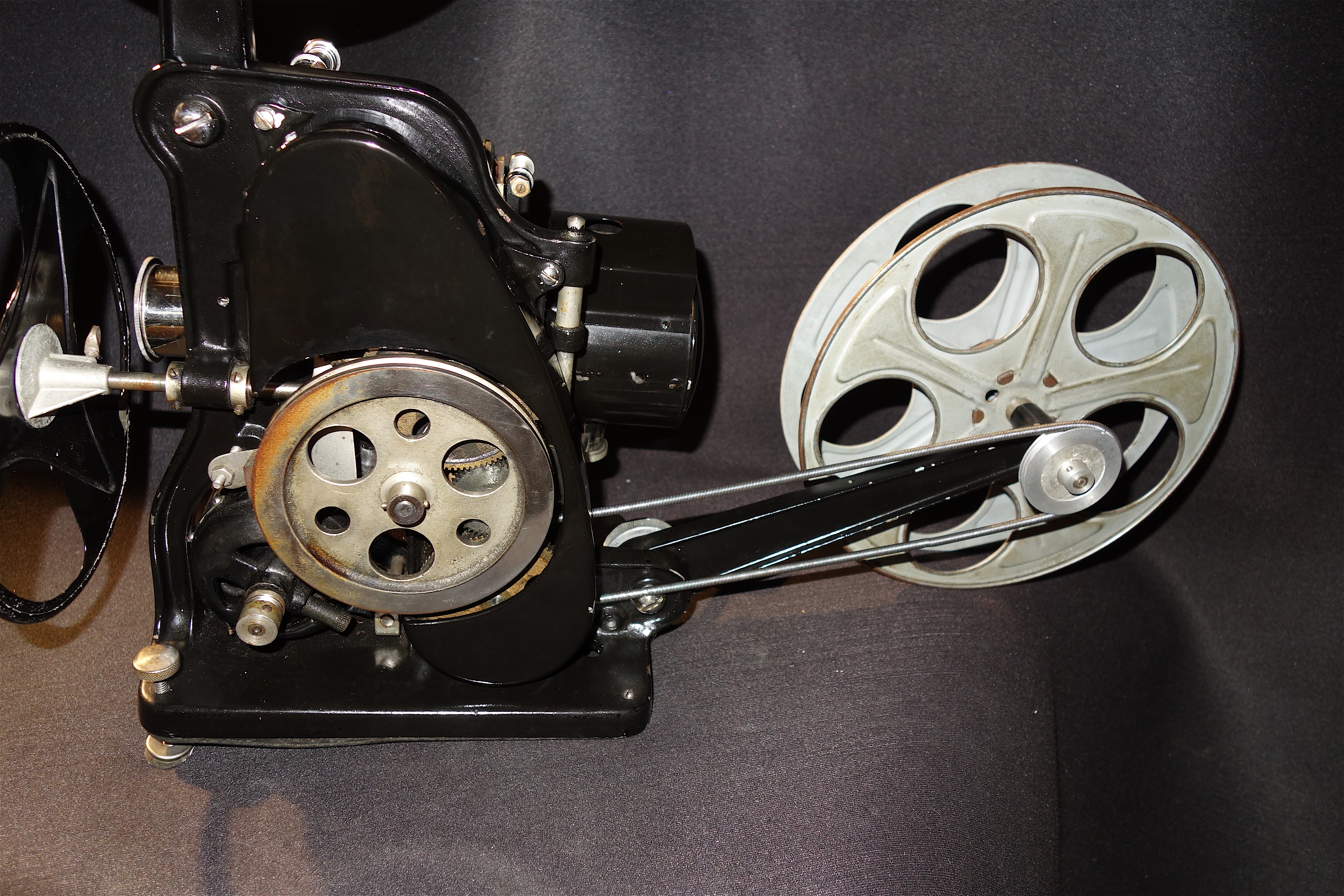
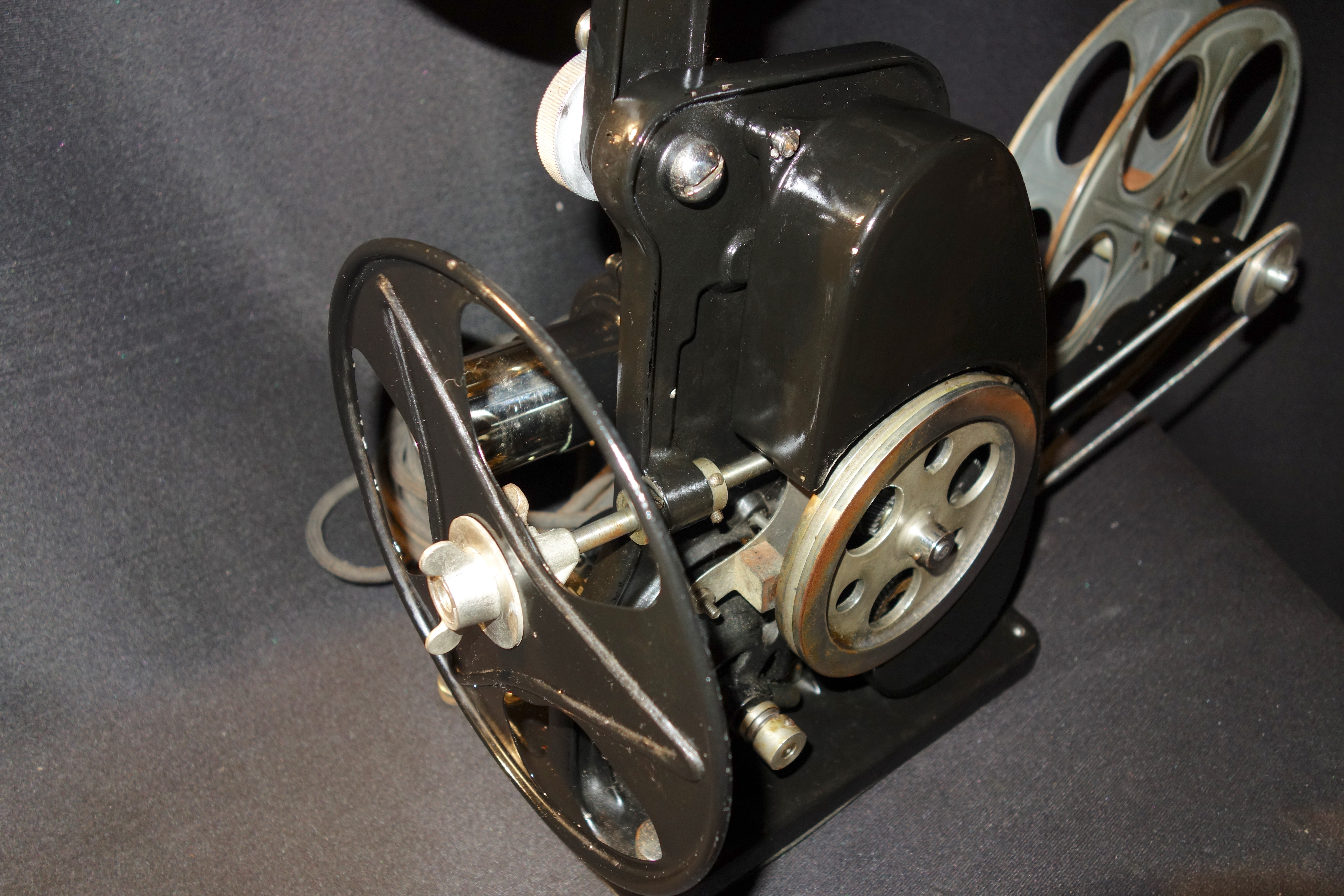
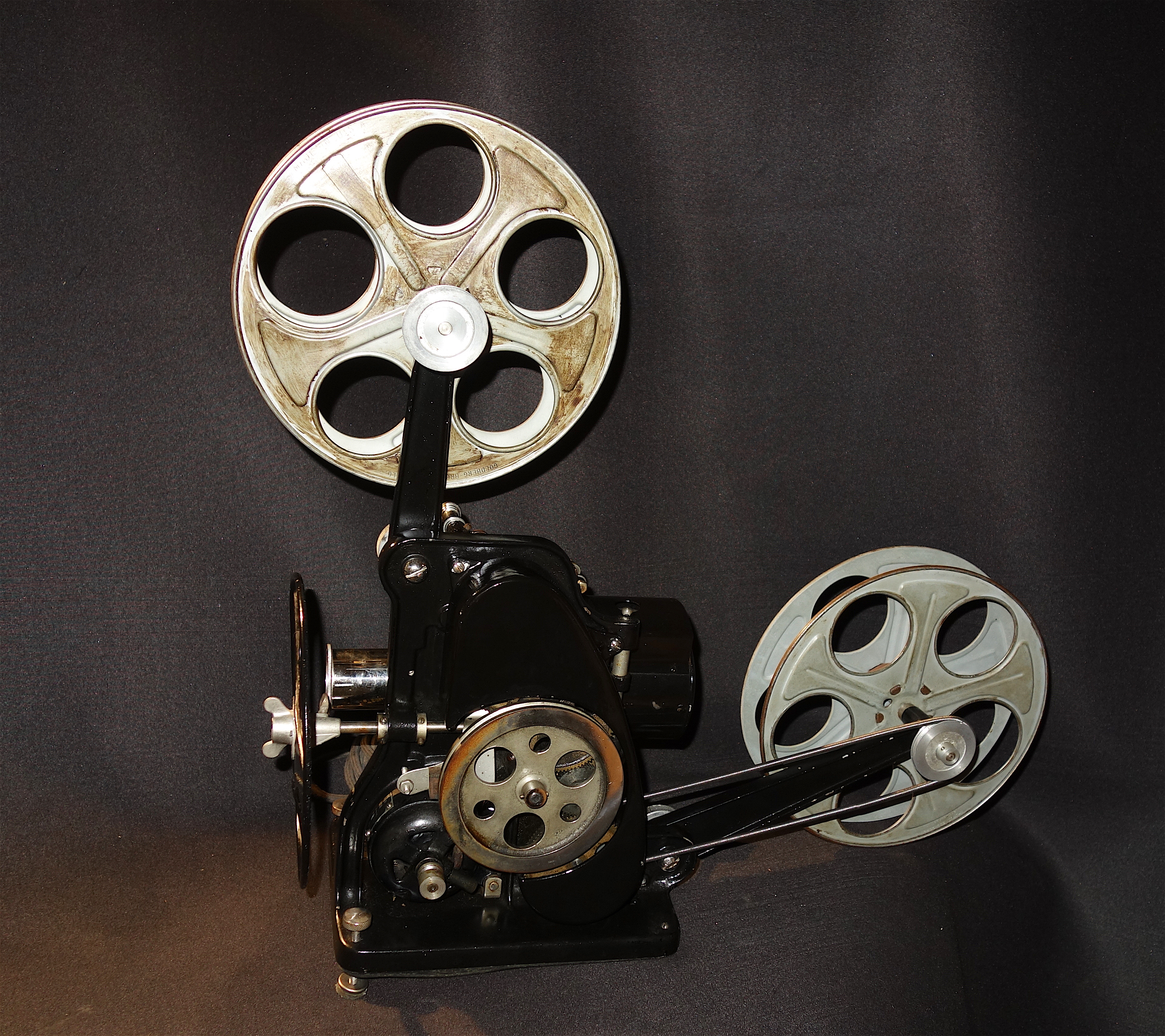
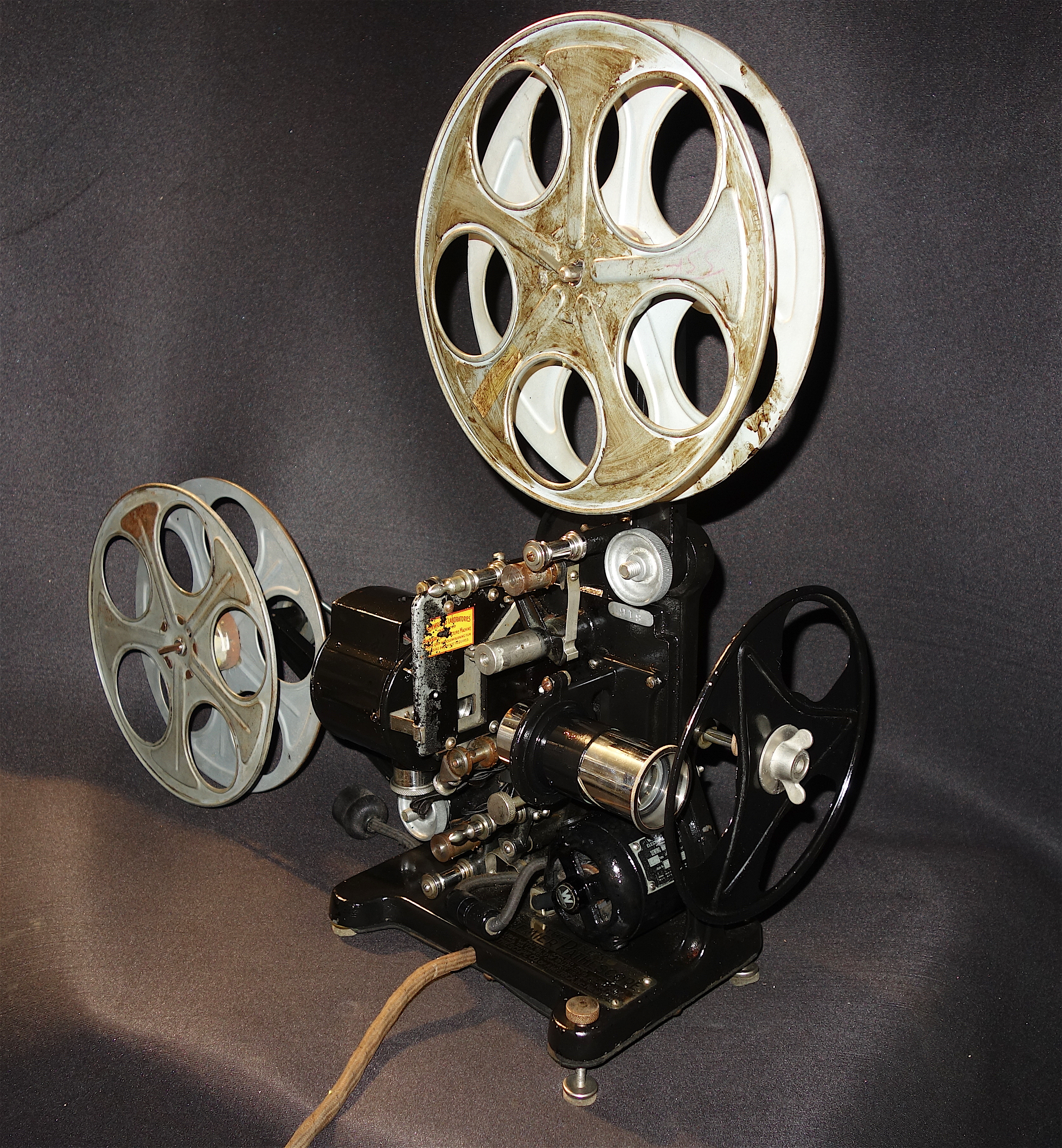
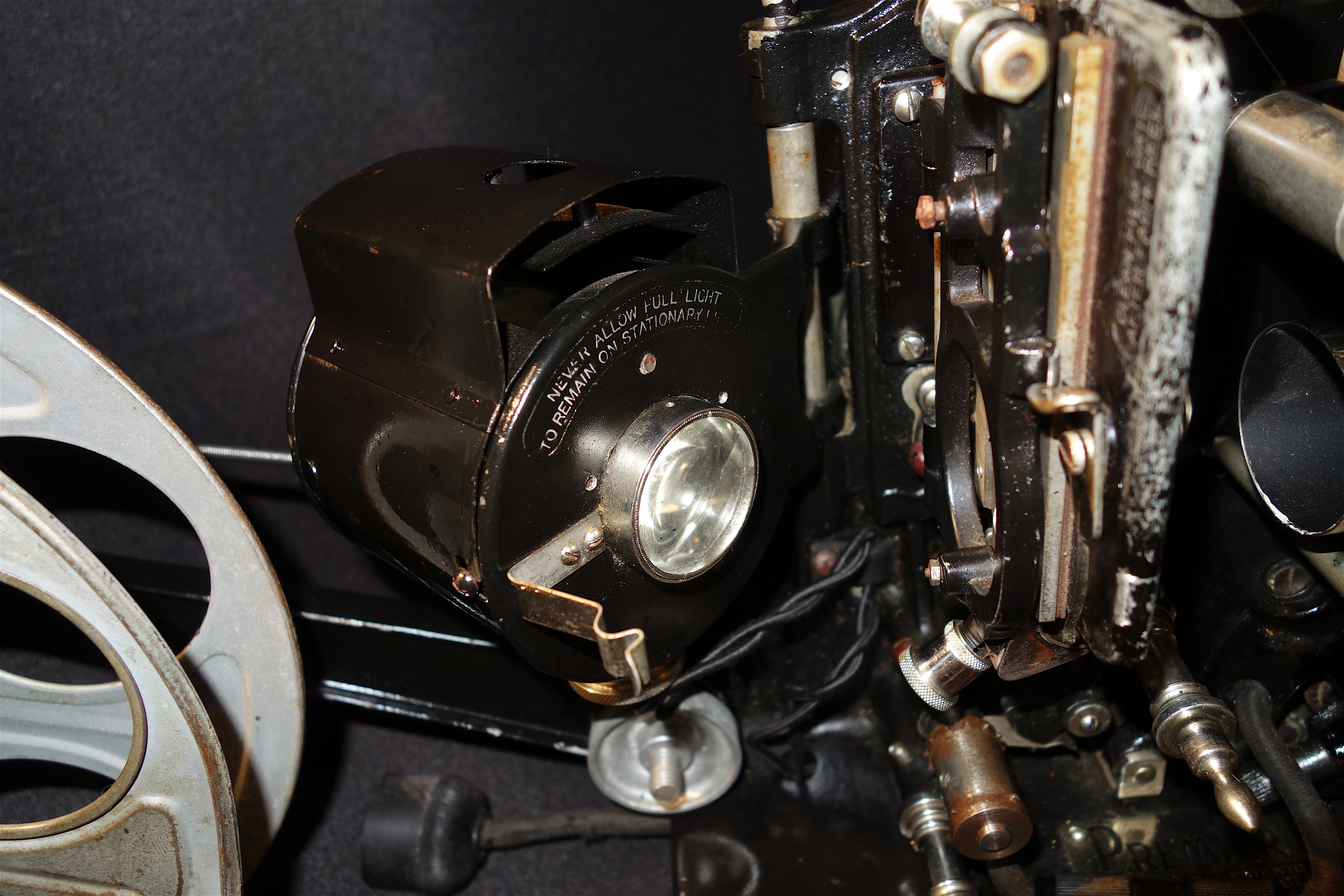
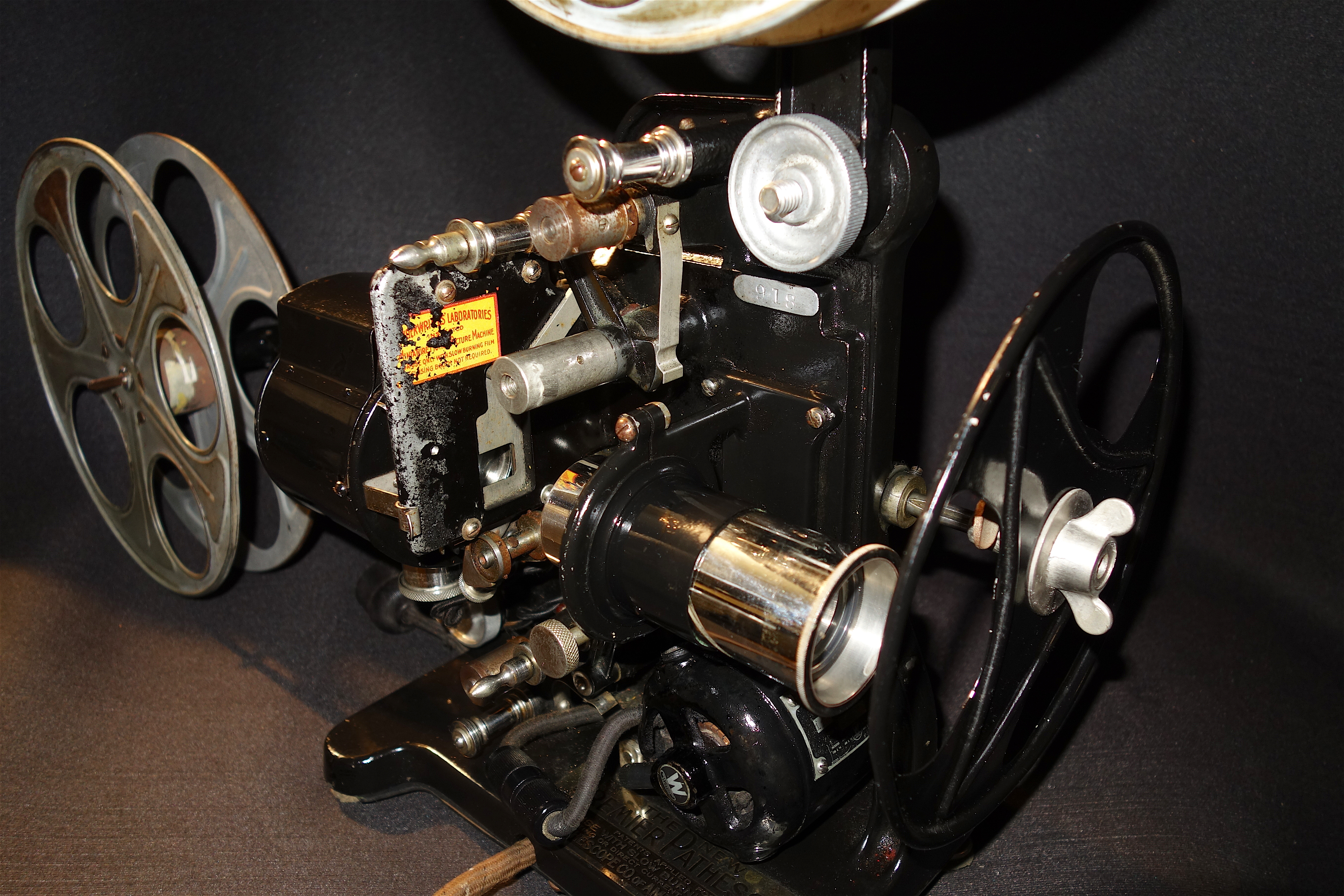
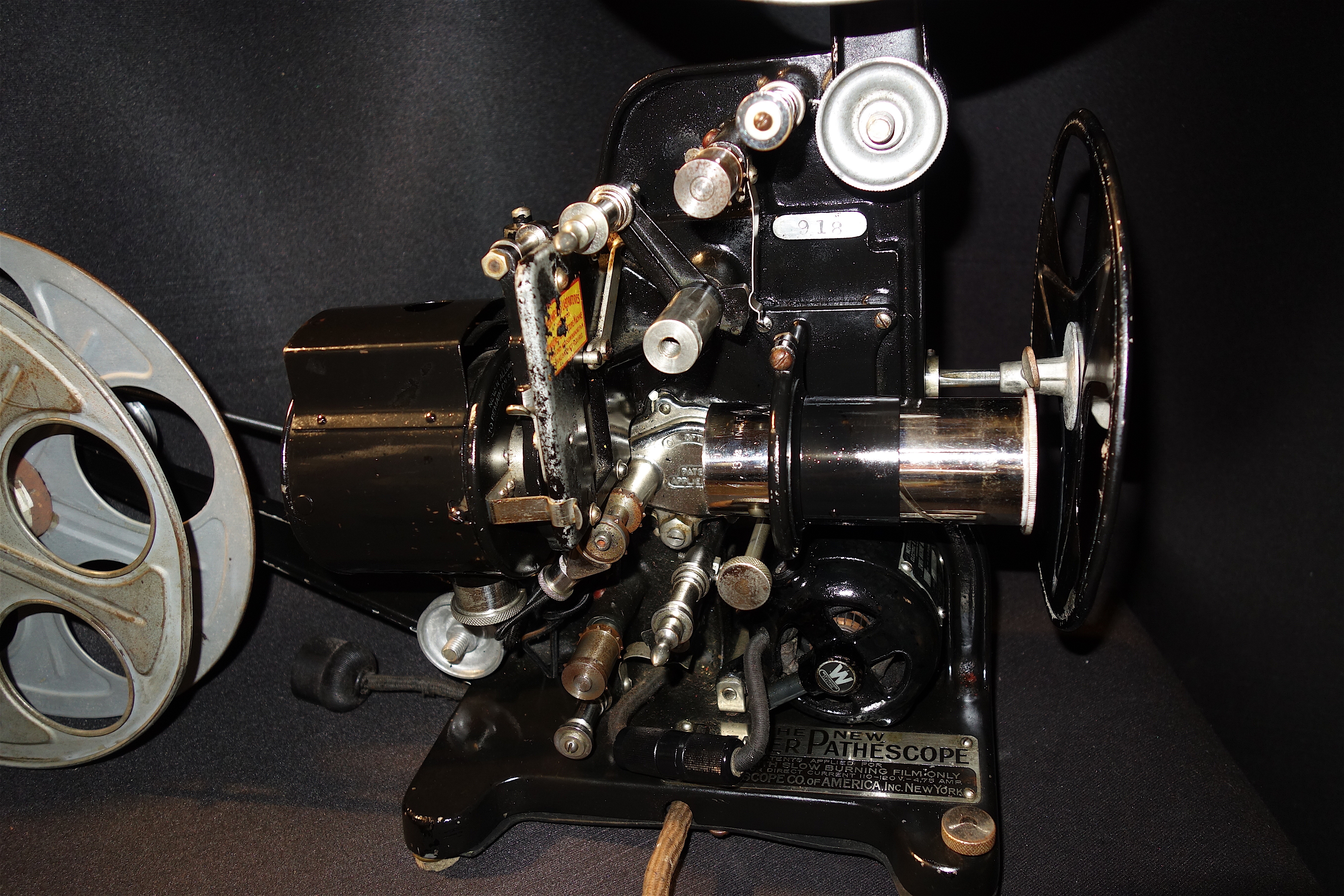
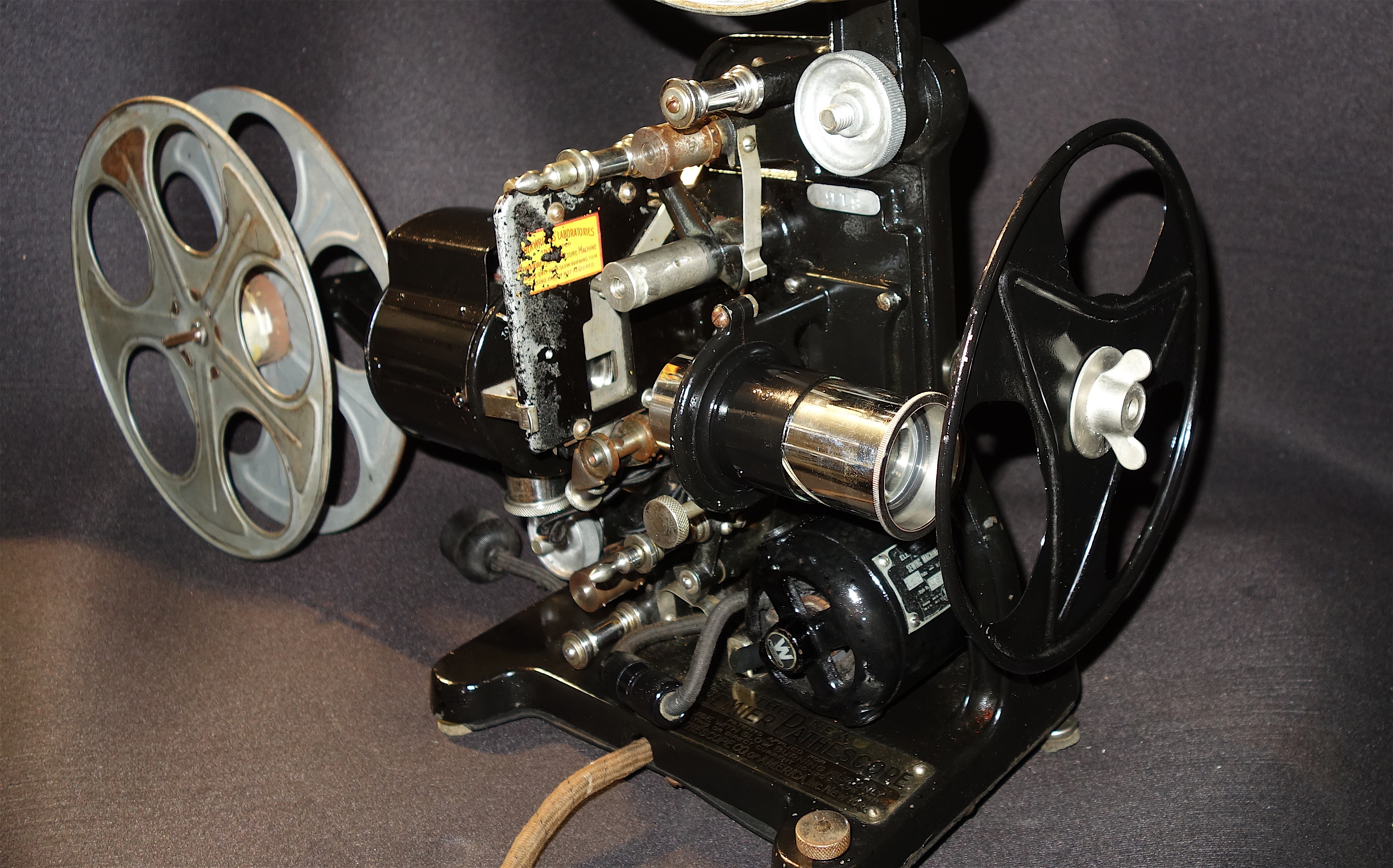
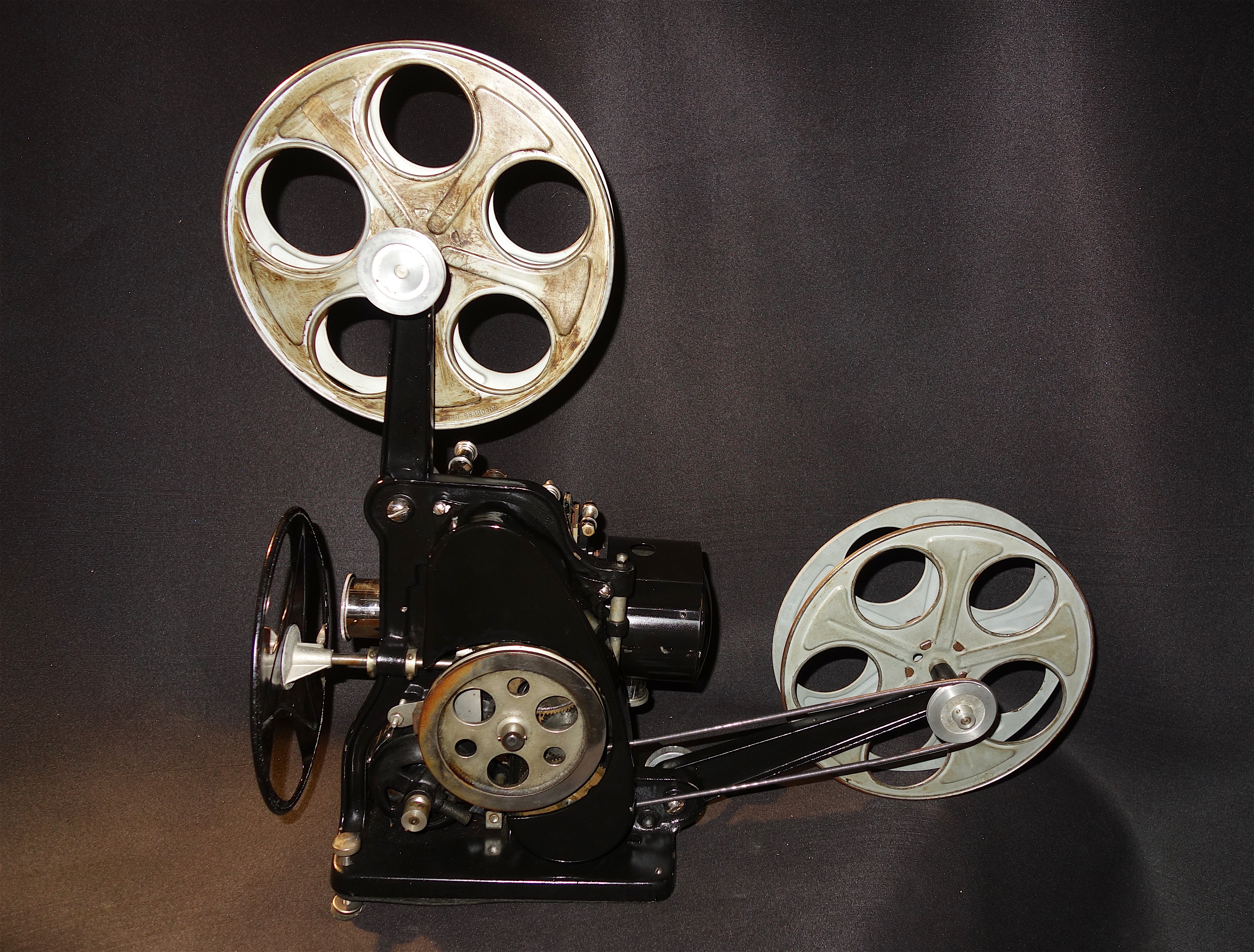
Submitted for your consideration is this circa 1916 “New Premier Pathescope 28mm Projector”.
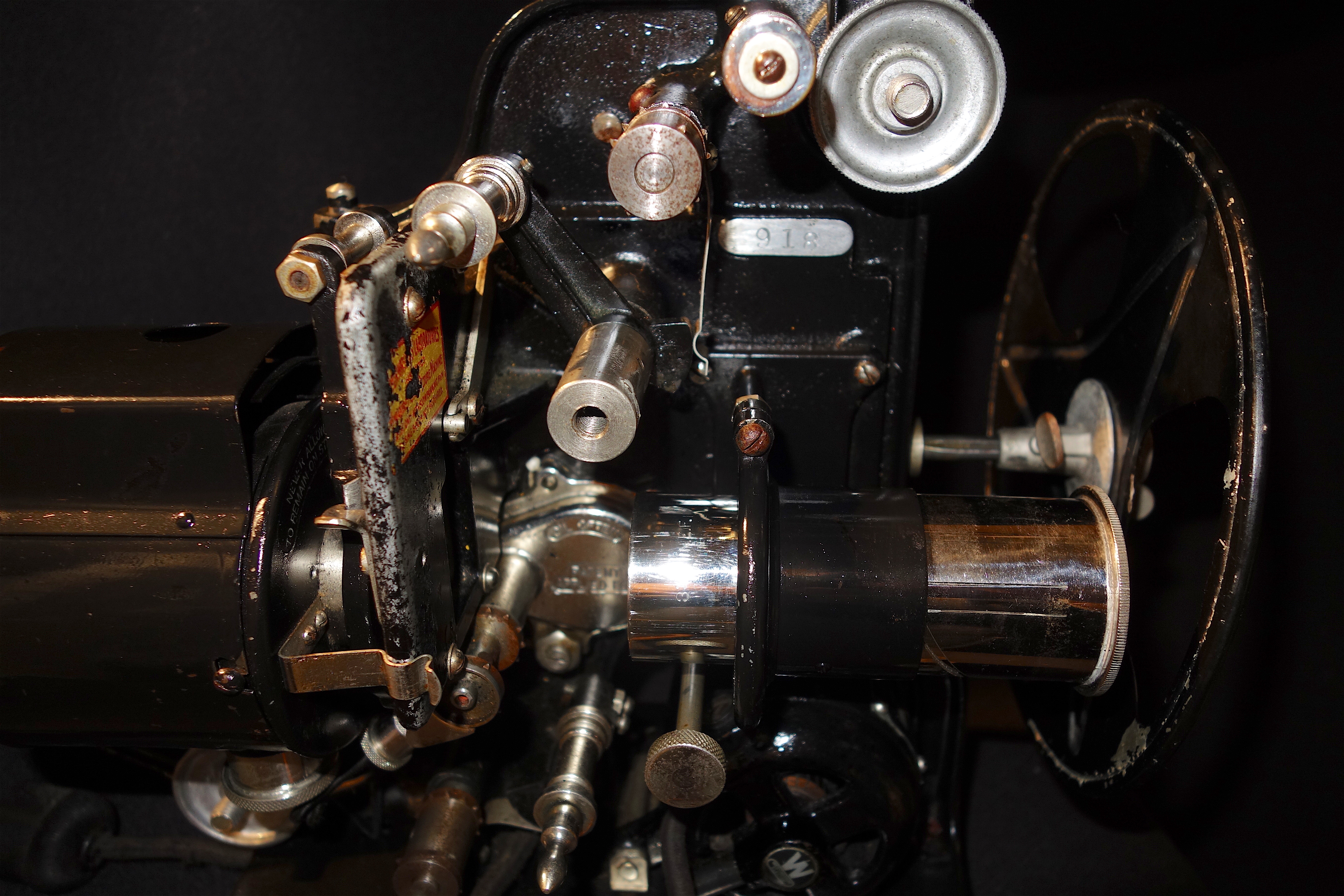
The early projector is in all original condition and complete but is sold for display and only as a collectible artifact, not for actual projection usage. Made in NY, USA.
The shown reels are mid century and not era accurate. We will work on replacing those if possible.
This projector example has NOT been restored or modified and is complete and accurate as built in circa 1916. An attractive original power supply with voltage meter is also included.
The Pathéscope Company of America was incorporated in 1913 for the purpose of distributing what they called ‘Pathéscopes’ (the 28mm French made KOK projector) and Pathéscope films in the United States.
The Pathescope trade mark was registered on May 12th 1913 by Willard Beach Cook. This was effectively another franchise like Pathéscope Ltd set up in the UK a year or so earlier.
The address of The Pathéscope Company of America Inc. was listed in 1920 as Aolian Hall, New York.
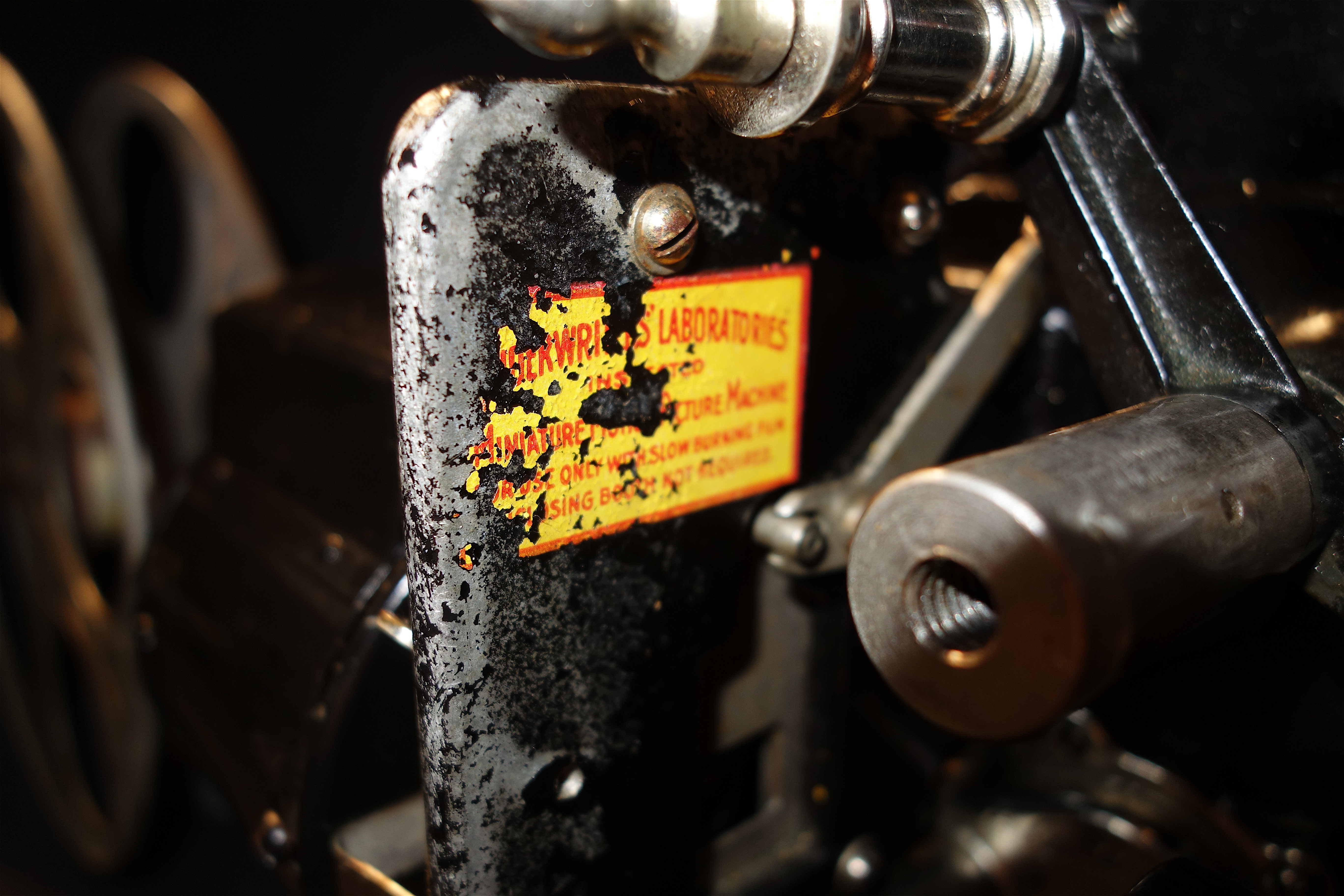
A great emphasis was placed on the fact that the 28mm films were on a slow burn base, with the American Underwriters’ Laboratories Inc. approving all the printed film releases and officially approving each machine as “Enclosing (fireproof) booth not required”.
In March 1916 the Pathéscope Company of America purchased the entire remaining stock of the French PATHE company – sufficient for our requirements until the beginning of 1918′. Late versions of the American 28mm K.O.K. projector had one or two improvements and were marketed as “The Popular”.
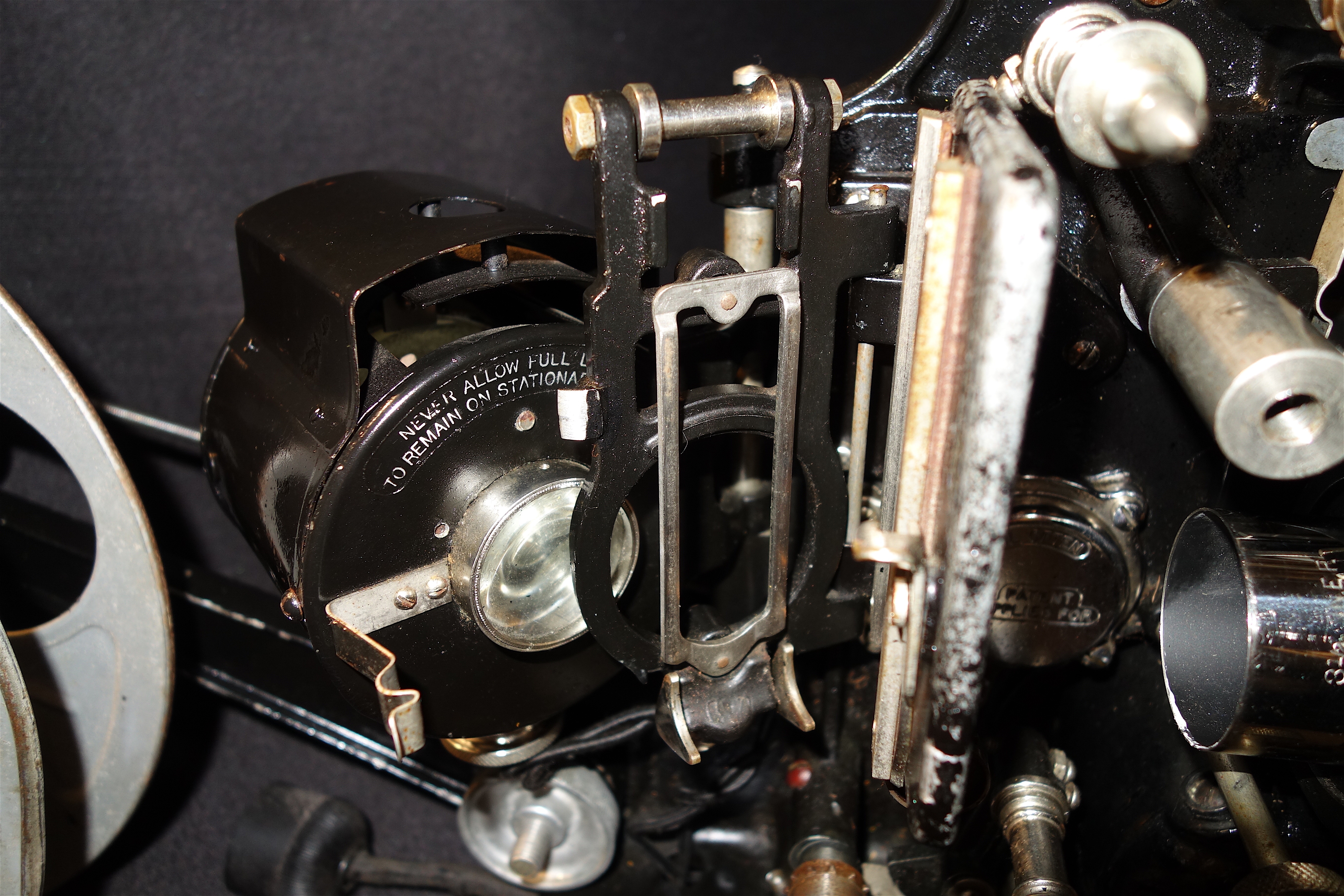
During the summer of 1916 the design of a New Premiere Pathescope 28mm projector was begun by Willard Beech Cook for The Pathéscope Company of America. Smaller and more compact, no doubt to reduce the production costs, it still appears to use a similar lamphouse to the KOK. Intermittent film movement was achieved by a variation of the ‘geneva’ movement – the ‘Premier Eccentric Star’ which claimed to achieve 62% light transmission. To retain the compact design the shutter, with 45 degree blades, was in front of the lens.
The basic machine was motor driven, but where battery operation for the lamp was required a ‘hand crank’ handle was supplied for hand cranking.
Related products